03 · Frontier Science
A private AI drug-discovery model raised a public proof question
 1 min read
A powerful private model shows how fast AI drug discovery is moving, and why access to the tools now matters.
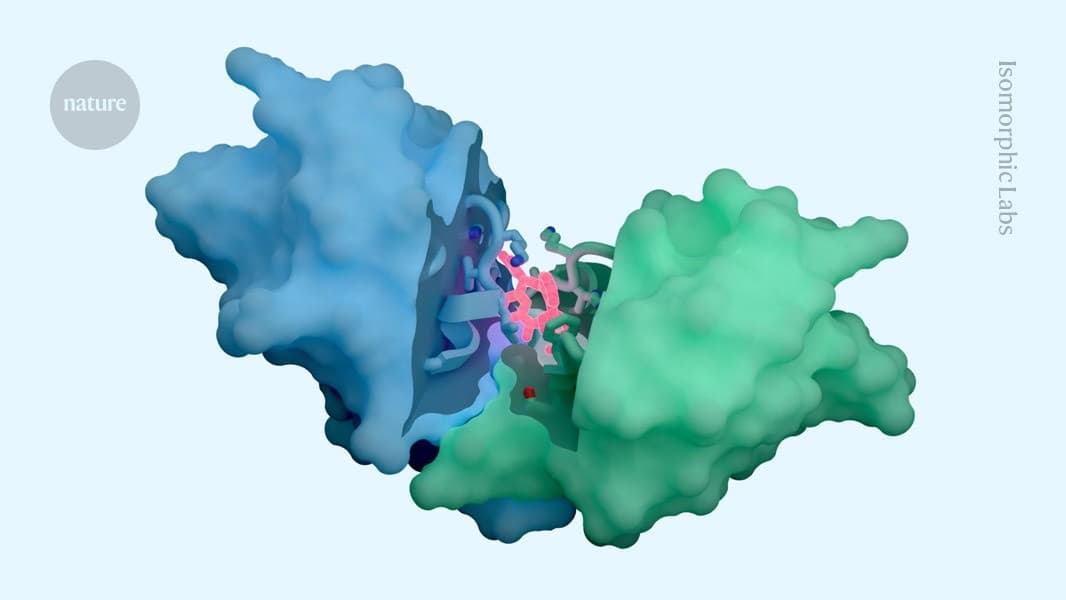
Isomorphic Labs announced a proprietary artificial-intelligence model intended to improve how molecular interactions are predicted for drug discovery. The development extended the use of protein-structure systems into a less visible but consequential stage: choosing what to test before a possible medicine reaches the laboratory.
A better prediction can help researchers form hypotheses more efficiently, but it cannot turn a computed interaction into a treatment. Laboratory validation, toxicity work, manufacturing, and clinical studies remain separate tests that determine whether a candidate can help people.
The model was not publicly released, leaving outside scientists unable to test its claimed performance directly. The next proof is transparent evidence that candidates designed through the system survive independent laboratory and clinical evaluation.
DisclaimerEducational news and research awareness content. Not medical advice.Read full disclaimer ▾
This page shares third-party news coverage, official research listings, and public clinical updates for educational awareness only. Catalyst does not present this information as medical advice, treatment guidance, or a claim of safety, efficacy, or approval.
Related context
How this story connects across the peptide landscape.




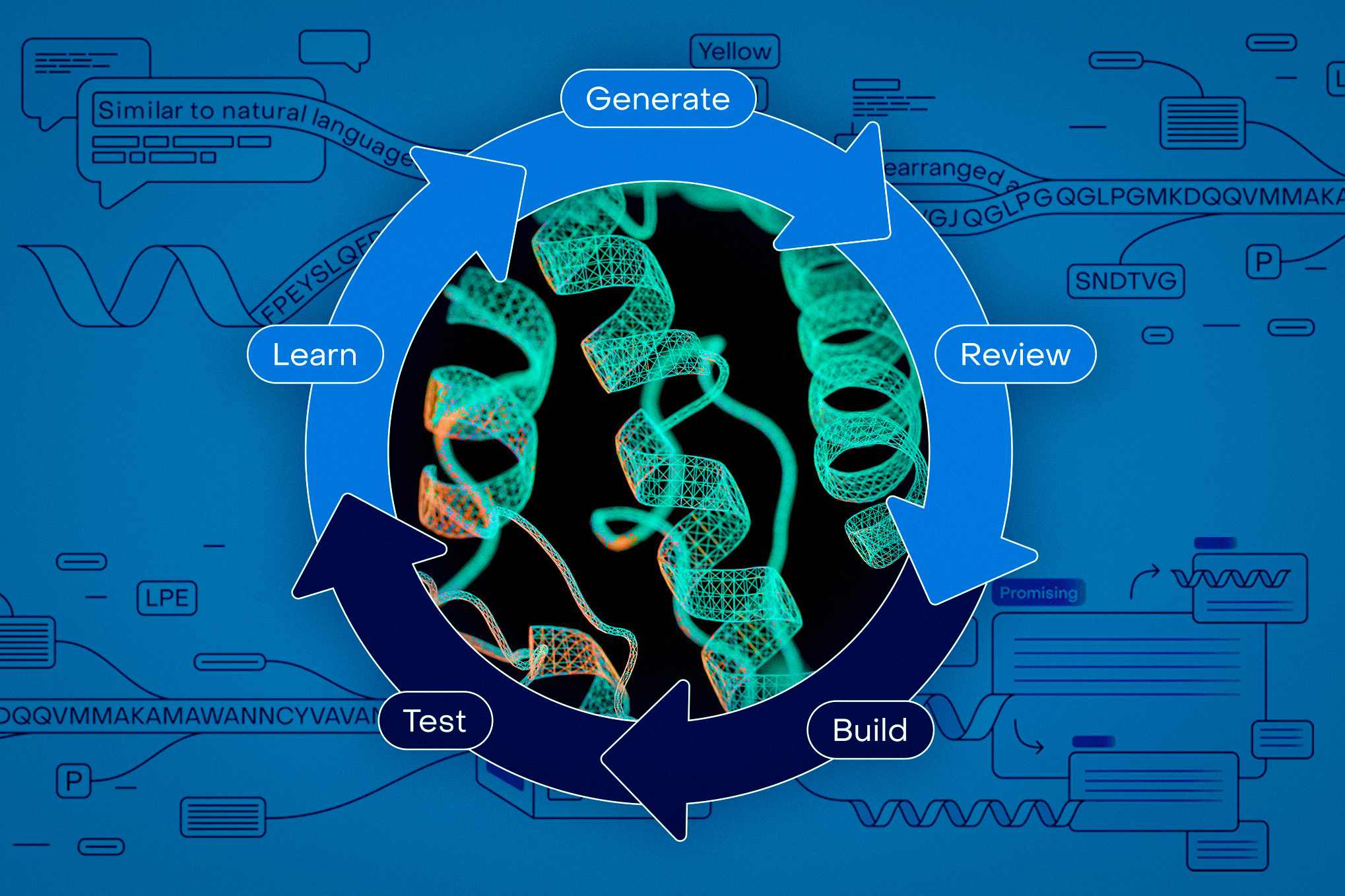
 Continue reading · Frontier SciencePeptide News / Frontier ScienceResearchers and companies have begun using artificial-intelligence systems to generate antibody sequences with drugSTAT · Jan 6, 2026 · scroll to read