03 · Frontier Science
A no-code protein-design platform widened access to an early research tool
MIT’s OpenProtein story is about access: giving biologists tools they can use without becoming machine-learning engineers first.
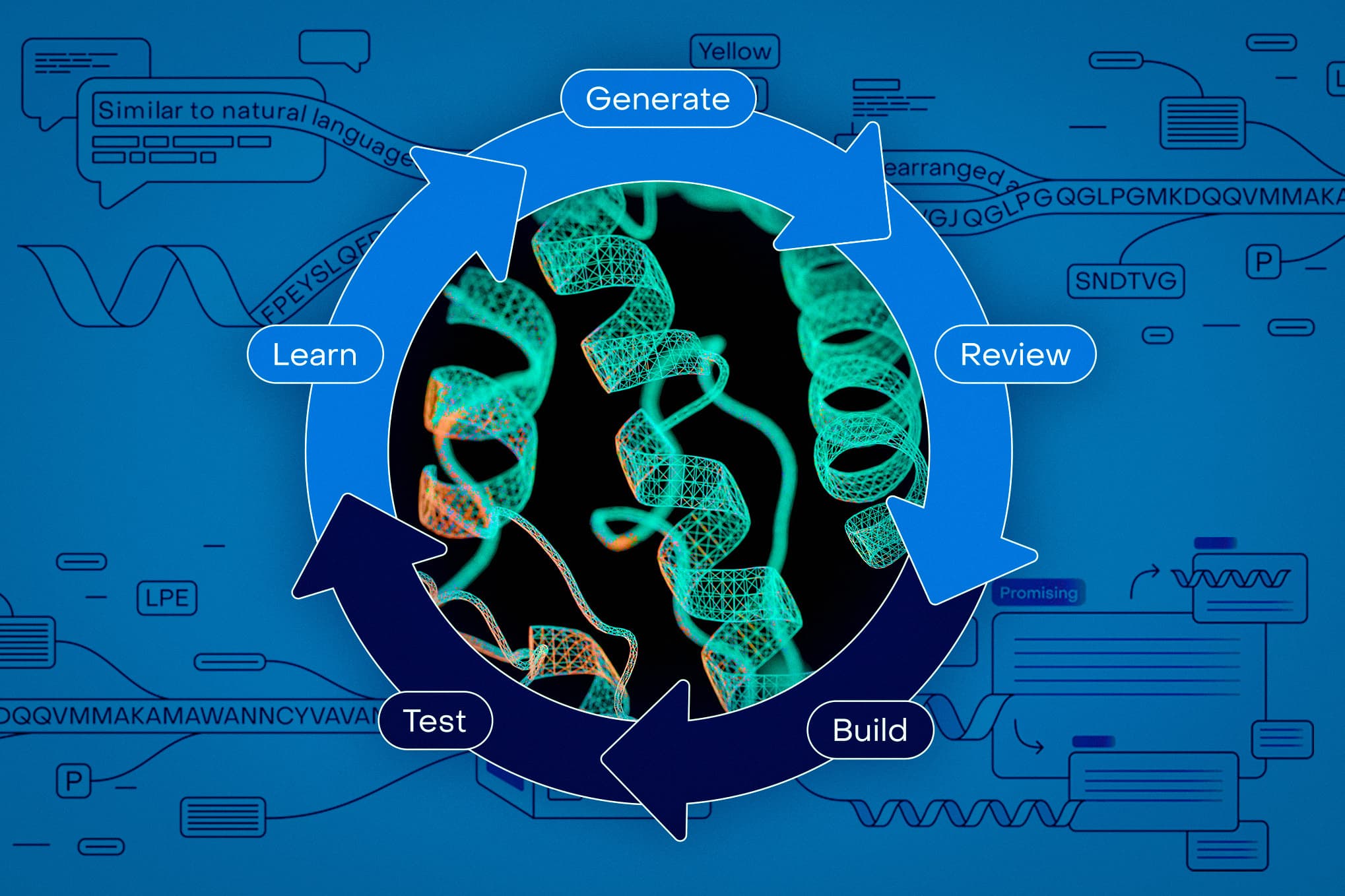
OpenProtein.AI offers researchers a no-code platform and open-source models for protein engineering. Its tools can help a laboratory generate candidate protein sequences, predict features, and decide which designs are worth taking into experimental work.
The access change is scientific rather than clinical: biologists without deep machine-learning expertise can use computational tools that were once harder to operate. That can broaden who tests an idea, while leaving the central evidence work in the laboratory.
A generated protein is not a medicine or a clinical result. The next proof is reproducible testing that shows a candidate behaves as designed, followed by the separate safety and efficacy work required before human use.
DisclaimerEducational news and research awareness content. Not medical advice.Read full disclaimer ▾
This page shares third-party news coverage, official research listings, and public clinical updates for educational awareness only. Catalyst does not present this information as medical advice, treatment guidance, or a claim of safety, efficacy, or approval.
Related context
How this story connects across the peptide landscape.




 Continue reading · Frontier SciencePeptide News / Frontier ScienceThe science behind the peptide boom came out of junk DNAnewyorker.com · Apr 6, 2026 · scroll to read