03 · Frontier Science
A tool for designing cyclic peptides moves from code to the lab
A design tool can make new molecular starting points. It cannot skip the work of proving what those molecules do.
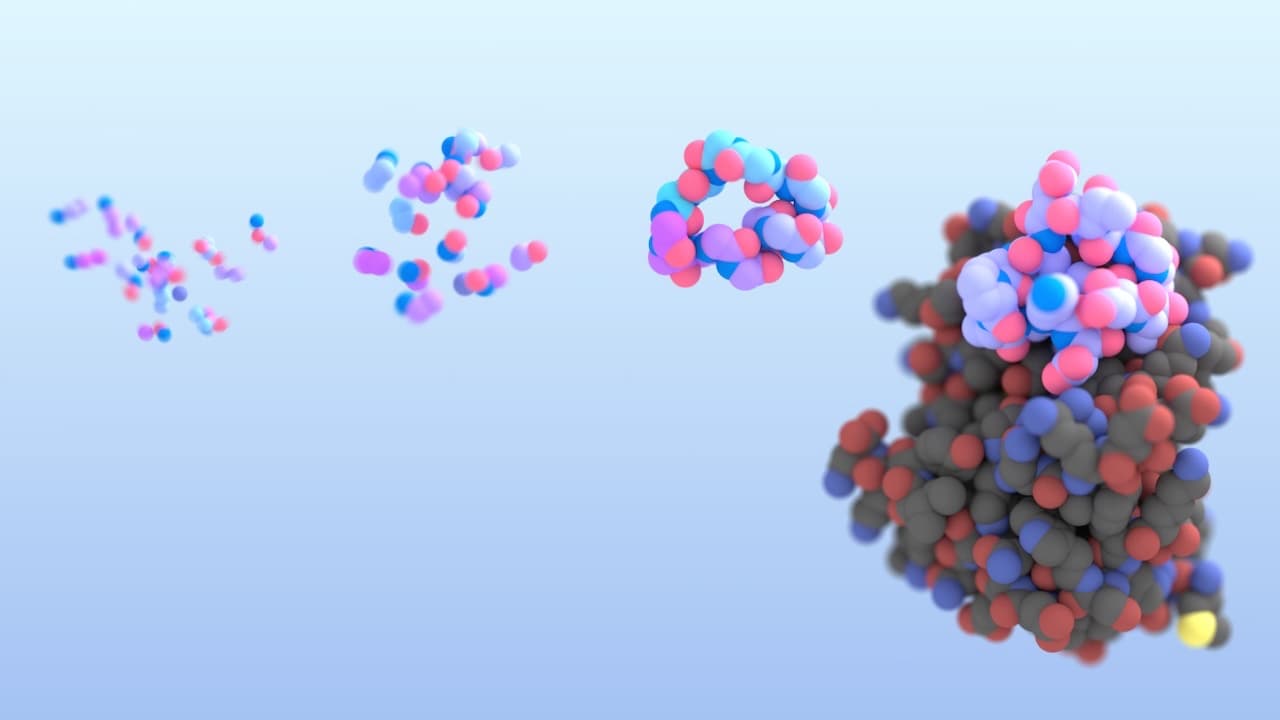
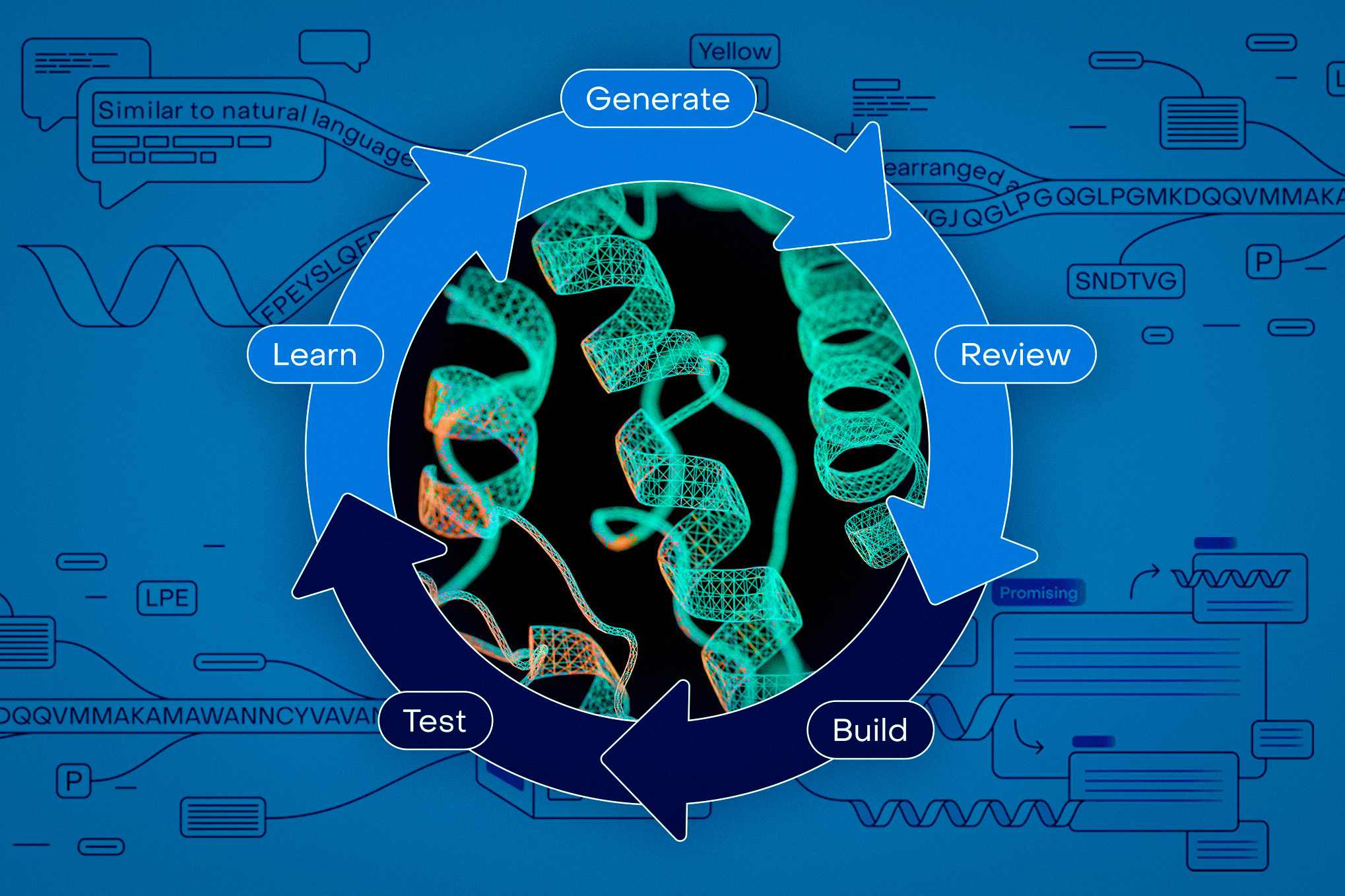
Researchers at the University of Washington developed RFpeptides, software that designs ring-shaped peptides to bind selected biological targets. In laboratory experiments, the team made and tested more than a dozen of the designs, including binders for targets with limited prior structural information.
That matters because cyclic peptides can be difficult to discover through conventional screening. A computational starting point could help researchers narrow which molecules are worth making and testing, while leaving the central biological questions to the lab.
The work later appeared in a peer-reviewed journal, but it is still an early research tool rather than a treatment. The next proof is whether designed molecules remain useful across independent experiments and can clear the much harder path to human studies.
DisclaimerEducational news and research awareness content. Not medical advice.Read full disclaimer ▾
This page shares third-party news coverage, official research listings, and public clinical updates for educational awareness only. Catalyst does not present this information as medical advice, treatment guidance, or a claim of safety, efficacy, or approval.
Read the full story at Institute for Protein Design (Univ. of Washington) ↗
Related context
How this story connects across the peptide landscape.