Science / Explained
How GLP-1 WorksArticle 5 of 6

How does GLP-1 use the vagus nerve?

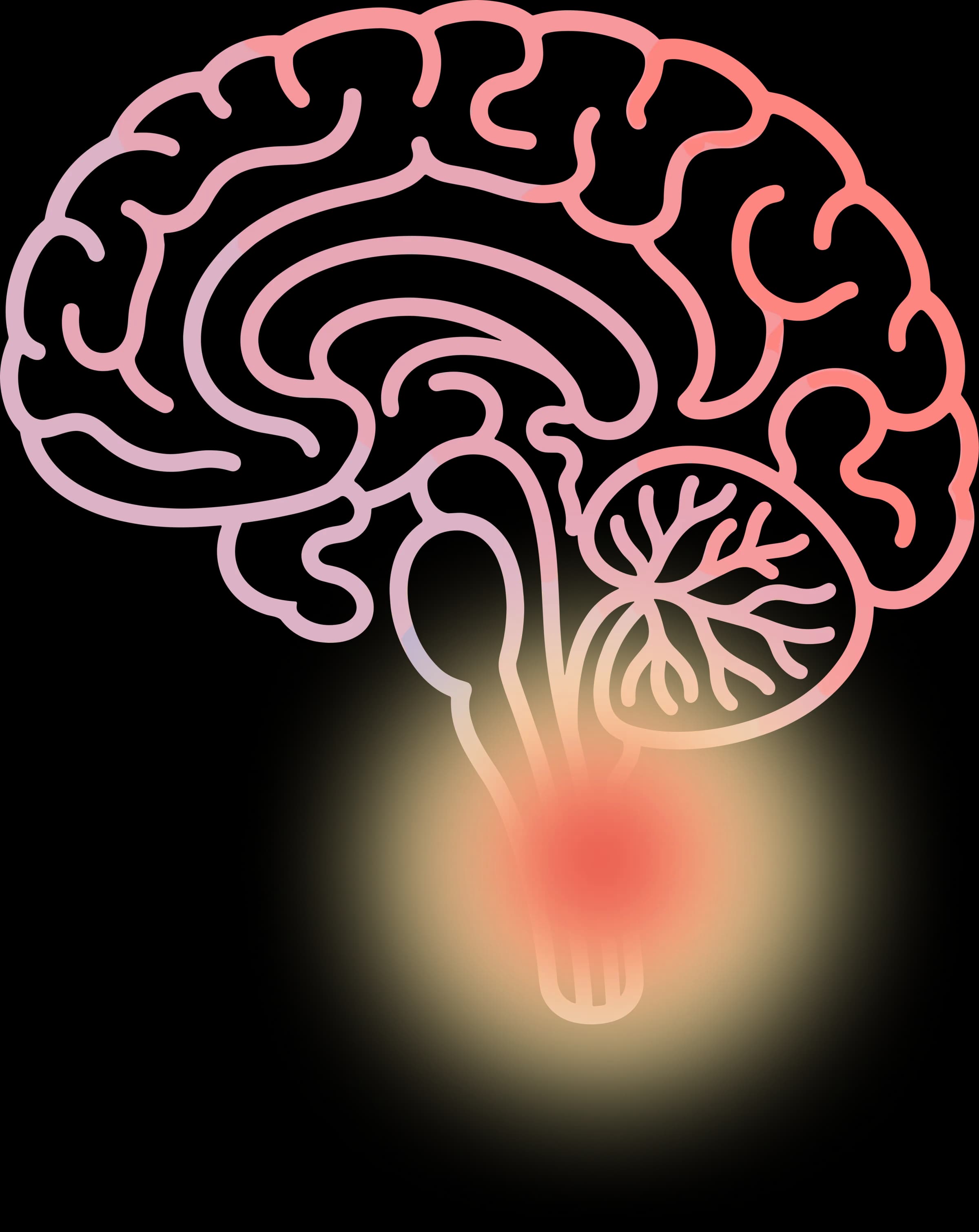
The vagus nerve is one of the main communication routes between the digestive tract and the brain. GLP-1 works inside that larger gut-brain signaling system.

The vagus nerve connects the digestive tract to the brainstem and carries information upward from the gut. It is the longest nerve connecting the brain to the body, running from the brainstem through the neck and chest into the gut.

Signals related to stretch, nutrients, hormones, and internal state move through this route and help shape appetite, satiety, and reward. The traffic is not balanced. Roughly 80 percent of vagal signals flow upward, gut to brain. The brain sends some instructions down, but mostly it listens. It receives information about what the gut has eaten, what nutrients are present, and how digestion is proceeding.

GLP-1 works inside that system. After eating, the gut releases GLP-1 as part of the signaling response. The vagus nerve carries part of that signal directly to the brainstem. A second route runs through the bloodstream, reaching brain regions where the blood-brain barrier thins.

The vagus nerve is not the whole GLP-1 story. But it explains why digestion and brain response are linked so tightly. The gut is not waiting for the brain to ask questions. It is broadcasting constantly.

One More Thing

Not all vagus nerves transmit equally. Vagal tone measures how efficiently the nerve carries signals. Higher vagal tone correlates with better emotional regulation, lower resting inflammation, and stronger gut-brain communication.

Vagal tone varies significantly between individuals. This variation may partly explain why two patients on identical GLP-1 doses report entirely different experiences. A stronger cable carries a stronger signal. Researchers are now investigating whether measuring vagal tone could predict who responds best. The nerve is not the variable. Its efficiency is.

Previous
What is the GLP-1 gut-brain pathway?
Next
Does Ozempic work on the brain beyond appetite?
Related articles

What is the GLP-1 gut-brain pathway?

The GLP-1 pathway links food intake to insulin release, gastric emptying, satiety, and food reward. The signal begins in the gut and helps shape what happens in the brain through a combination of neural and hormonal routes.

Read more

Your Gut Has a Brain

The digestive tract has its own nerve network and sends a steady stream of information to the brain.

Read more

What happens in four brain regions after one meal?

Signals triggered by a meal do not stop in the gut. They reach several brain regions, each reading the same meal for a different purpose.

Read more

Does the brain listen more than it talks?

Gut-brain communication is not mainly a one-way command system. Most of the traffic moves upward, from the gut toward the brain.

Read more

What is GLP-1?

What is GLP-1? GLP-1 is a peptide signal the gut releases after a meal. It helps coordinate insulin release, slows gastric emptying, and changes how the brain processes hunger, fullness, and food reward.

Read more
Keep building trust

Move from the science to the proof, source, and practical questions.

Science next

What is GLP-1?

Keep the explanation moving with the next evidence-led Science article.

Keep learning

Science next

The GLP-1 Highway

Keep the explanation moving with the next evidence-led Science article.

Keep learning

Science next

Semaglutide vs Tirzepatide: How are Ozempic, Mounjaro, and Retatrutide different?

Keep the explanation moving with the next evidence-led Science article.

Keep learning

Practical questions

FAQ

Use the FAQ for logistics, safety boundaries, and common buyer questions.

Read the FAQ
References3 sources
  1. Berthoud, H.R., et al. · 2004
    Neuroanatomy of extrinsic afferents supplying the gastrointestinal tract.
    Neurogastroenterology & Motility, 16(Suppl 1)
  2. Beutler, L.R. · 2026
    GLP-1 physiology and pharmacology along the gut-brain axis.
    Journal of Clinical Investigation, 156(3)
  3. Bohórquez, D.V., et al. · 2015
    Neuroepithelial circuit formed by innervation of sensory enteroendocrine cells.
    Journal of Clinical Investigation, 125(2)

Disclaimer. This article is for educational purposes only and does not constitute medical advice. Peptide signals and their therapeutic applications are complex and context-dependent.