Science / Explained
Myths, Read Against the EvidenceArticle 5 of 27

Does Ozempic cause "Ozempic face"?

THE MECHANISM

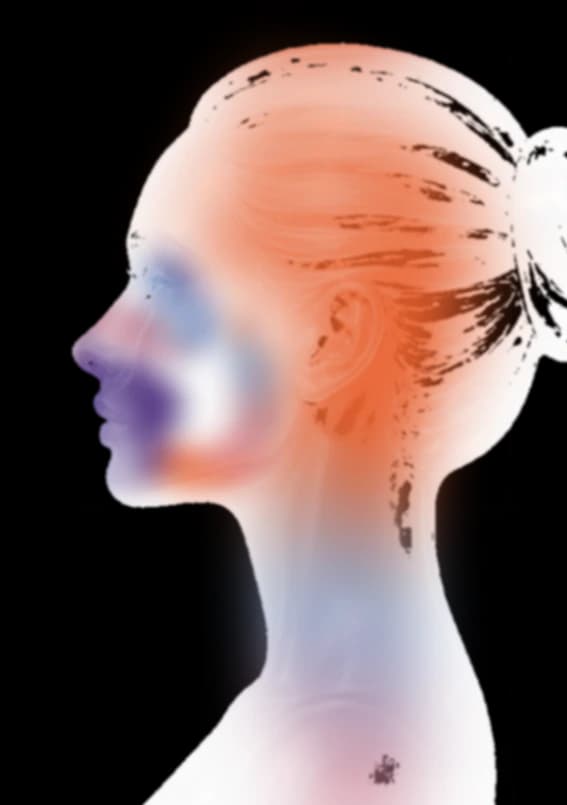
When body fat drops quickly, the face loses subcutaneous volume. Cheeks flatten. The under-eye area looks thinner. Folds that fat had softened reappear. This happens with any rapid weight loss: bariatric surgery, calorie restriction, illness, or medication-assisted loss.

THE FRAMING

The American Academy of Dermatology frames the issue as a body-change effect, not a skin-aging effect of the peptide. The skin itself has not aged; the volume underneath it has decreased.

THE TWO LEVERS

Two factors the dermatology literature names consistently: the speed of the weight loss (slower preserves more volume) and the age at which the loss happens (younger skin recovers more elasticity).

What this means

Rapid facial volume loss is visible, and it can affect how someone feels about how they look. It is not a peptide-specific effect, and it is not permanent skin damage.

The face changes because the fat under it changed, not because the skin changed.

Skin did not age; the volume underneath dropped, and the face is now telling the truth about a smaller body.

Previous
Do GLP-1 peptides lower libido?
Next
Do GLP-1 peptides cause loose skin?
Related myths

Do GLP-1 peptides cause loose skin?

Loose skin follows weight loss, not the peptide itself.

Read more

Do GLP-1 peptides cause gallbladder problems?

Yes. And so does fast weight loss itself. This is a real safety topic.

Read more

Do GLP-1 peptides cause hair loss?

Yes, some people lose more hair on these peptides. Not many. And the hair grows back.

Read more
Keep building trust

Move from the science to the proof, source, and practical questions.

Science next

What is GLP-1?

Keep the explanation moving with the next evidence-led Science article.

Keep learning

Science next

Are all peptide sources the same? COAs, testing, and traceability

Keep the explanation moving with the next evidence-led Science article.

Keep learning

Science next

Does a certificate of analysis prove a peptide is trustworthy?

Keep the explanation moving with the next evidence-led Science article.

Keep learning

Practical questions

FAQ

Use the FAQ for logistics, safety boundaries, and common buyer questions.

Read the FAQ
References1 sources
  1. See source line · 2026
    American Academy of Dermatology; *GLP-1 peptides and skin/hair side effects* (page last updated February 2026).
    Source line — see article body

Disclaimer. This article is for educational purposes only and does not constitute medical advice. Peptide signals and their therapeutic applications are complex and context-dependent.