02 · Clinical Findings
A large records study adds context to the GLP-1 eye-risk question
The worry traces back to one cardiovascular trial in 2016. Eight years of ordinary claims data did not reproduce it.
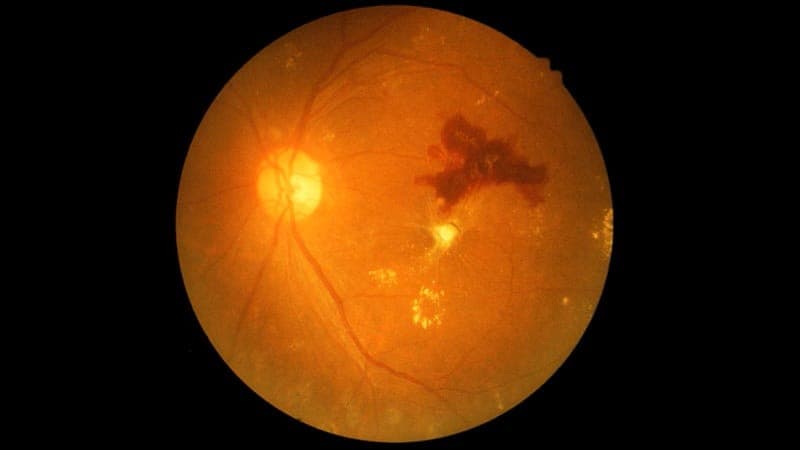
A retrospective analysis of 371,698 adults with type 2 diabetes and no previous diabetic retinopathy found no higher observed rate of treatment for vision-threatening retinopathy among people starting a GLP-1 medicine than among several comparison treatment groups.
That result adds context to a long-running concern because eye complications can carry serious consequences for people with diabetes. It does not settle the question, however: the analysis followed medical records rather than randomly assigning treatment and did not measure how quickly blood sugar changed.
A randomized trial designed specifically around diabetic retinopathy is expected to provide a clearer answer. Until then, this is reassuring observational evidence, not proof that eye risk is absent for every medicine or every patient.
DisclaimerEducational news and research awareness content. Not medical advice.Read full disclaimer ▾
This page shares third-party news coverage, official research listings, and public clinical updates for educational awareness only. Catalyst does not present this information as medical advice, treatment guidance, or a claim of safety, efficacy, or approval.
Related context
How this story connects across the peptide landscape.
Combining two diabetes drug classes is not automatically a bigger clinical benefit

At the highest dose, retatrutide cut 21% of body weight in people with type 2 diabetes

Tirzepatide kept nearly 99% of prediabetes patients diabetes-free over three years
 Continue reading · Clinical FindingsPeptide News / Clinical FindingsThree years of tirzepatide data sharpen the prediabetes questionTime Magazine · Sep 4, 2024 · scroll to read