04 · Policy & Law
A federal advisory committee in 2026 was scheduled to consider whether seven popular peptides could return to a lis
 1 min read
A committee vote, not a finished trial, is what moves this one forward.
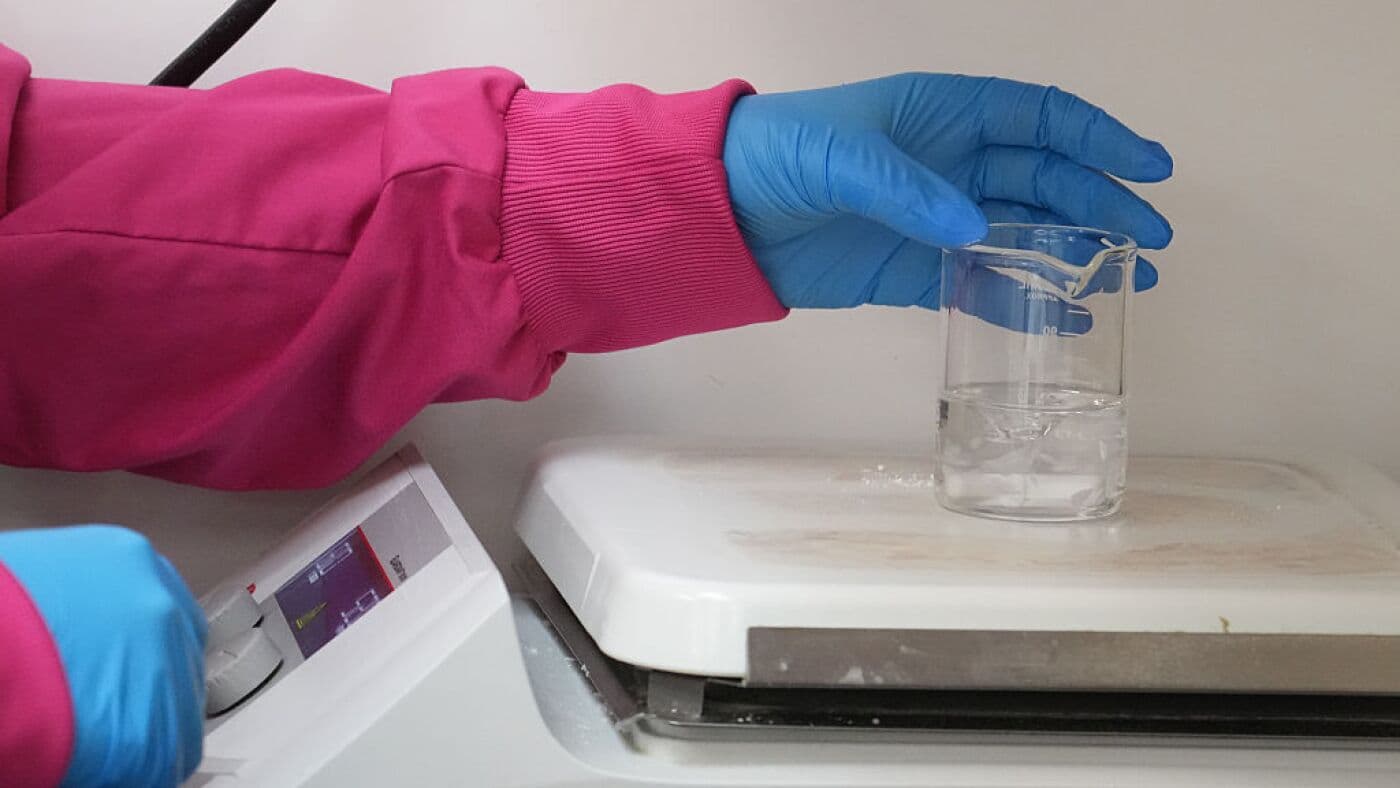
A federal advisory committee in 2026 was scheduled to consider whether seven popular peptides could return to a list that permits pharmacy compounding. The institutional action was a recommendation process, while the FDA retained the final decision.
The people affected include consumers already encountering wellness peptides in a poorly regulated market and clinicians facing questions about products without the large human trials required for approval. The policy dispute was about the evidence threshold and the legal route to supply.
A committee discussion is not authorization, and access does not establish safety or effectiveness. The decisive next step is a final FDA action grounded in the evidence for each peptide, not a general claim about the category.
DisclaimerEducational news and research awareness content. Not medical advice.Read full disclaimer ▾
This page shares third-party news coverage, official research listings, and public clinical updates for educational awareness only. Catalyst does not present this information as medical advice, treatment guidance, or a claim of safety, efficacy, or approval.
Related context
How this story connects across the peptide landscape.
A U.K. coverage decision showed how eligibility rules can narrow access

A survey shows GLP-1 use moving from a niche treatment into a broader U.S. pattern
 Jul 7, 2026
Clinics in three states are prescribing a weight-loss drug that has not left clinical trials

 Continue reading · Policy & LawPeptide News / Policy & LawA survey shows GLP-1 use moving from a niche treatment into a broader U.S. patternThe Washington Post · Jul 7, 2026 · scroll to read