02 · Clinical Findings
What the cardiovascular evidence on GLP-1 medicines actually shows
 1 min read
Most of the protection seems to arrive through the rest of the body, an awkward answer for anyone hoping the heart had its own switch.
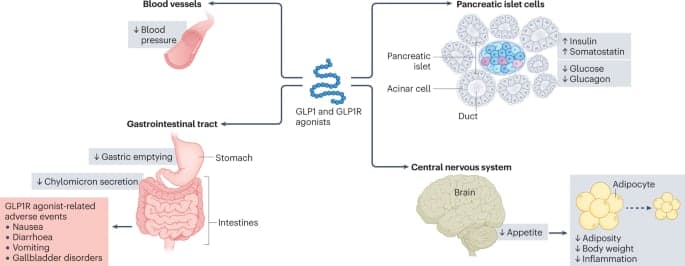
Cardiovascular-outcome trials in people with type 2 diabetes found lower rates of major adverse cardiovascular events with GLP-1 receptor agonists.
Those findings sit alongside changes in weight, blood sugar, blood pressure and other factors, but they do not mean every medicine or every patient will have the same result.
Studies in people with obesity and heart failure, along with longer-term safety work on newer multi-agonists, are the next tests of how far that evidence reaches.
DisclaimerEducational news and research awareness content. Not medical advice.Read full disclaimer ▾
This page shares third-party news coverage, official research listings, and public clinical updates for educational awareness only. Catalyst does not present this information as medical advice, treatment guidance, or a claim of safety, efficacy, or approval.
Related context
How this story connects across the peptide landscape.
Combining two diabetes drug classes is not automatically a bigger clinical benefit

At the highest dose, retatrutide cut 21% of body weight in people with type 2 diabetes

Tirzepatide kept nearly 99% of prediabetes patients diabetes-free over three years

 Continue reading · Clinical FindingsPeptide News / Clinical FindingsTirzepatide's highest trial dose took off 24.5% of body weightMedscape en Español · Dec 2, 2022 · scroll to read