05 · Access & Industry
A lifetime-cost model puts a price on sustained GLP-1 access
The people the model says would gain most are the ones whose health plan is least likely to pay for the drug in the first place.
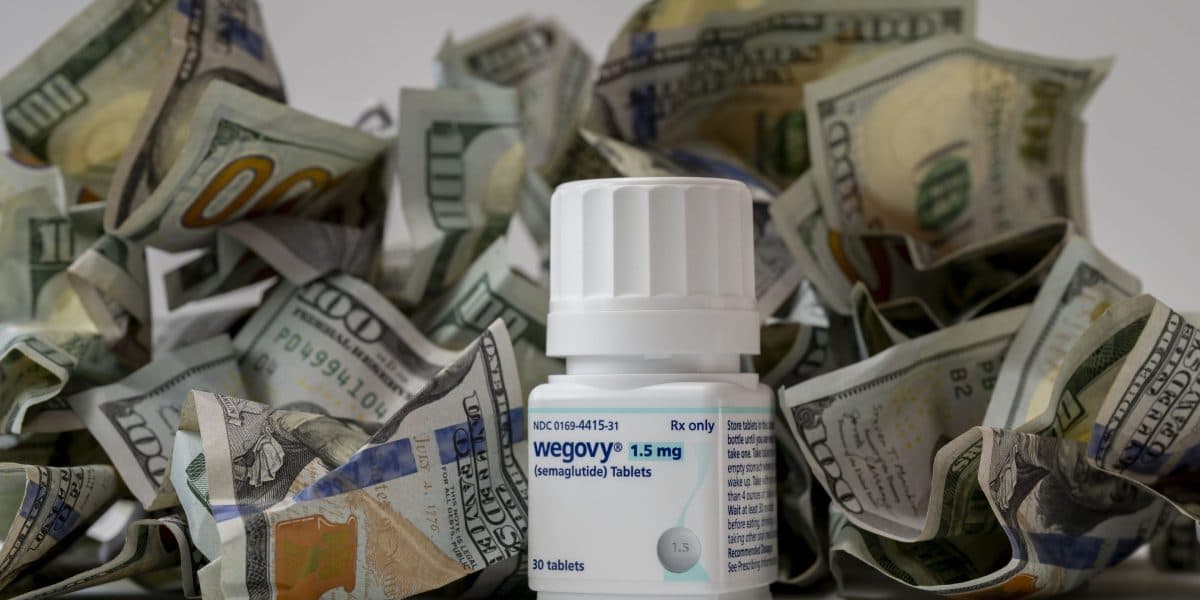
A U.S. economic model estimated that sustained GLP-1 use for obesity could be associated with roughly $192,735 less in lifetime medical spending for modeled adults who begin between ages 40 and 50. The figure comes from a simulation, not from observed savings in a real-world patient group.
The access question is immediate: a projected long-term benefit does little for a household that cannot maintain a prescription today. The model also found larger estimated differences for people without college degrees, a reminder that affordability can shape who reaches any possible benefit.
Its central limit is duration. The calculation assumes continuous use over a lifetime and does not fully capture discontinuation, side effects, or the prices and coverage decisions that can break that continuity.
DisclaimerEducational news and research awareness content. Not medical advice.Read full disclaimer ▾
This page shares third-party news coverage, official research listings, and public clinical updates for educational awareness only. Catalyst does not present this information as medical advice, treatment guidance, or a claim of safety, efficacy, or approval.
Related context
How this story connects across the peptide landscape.


 Continue reading · Access & IndustryPeptide News / Access & IndustryA pill form changes one part of the GLP-1 access equationTIME · 2026 · scroll to read