02 · Clinical Findings
Research questions about GLP-1 medicines and mental health are still separate questions
The same appetite pathways that changed obesity care may also matter for reward, craving, and psychiatric research.
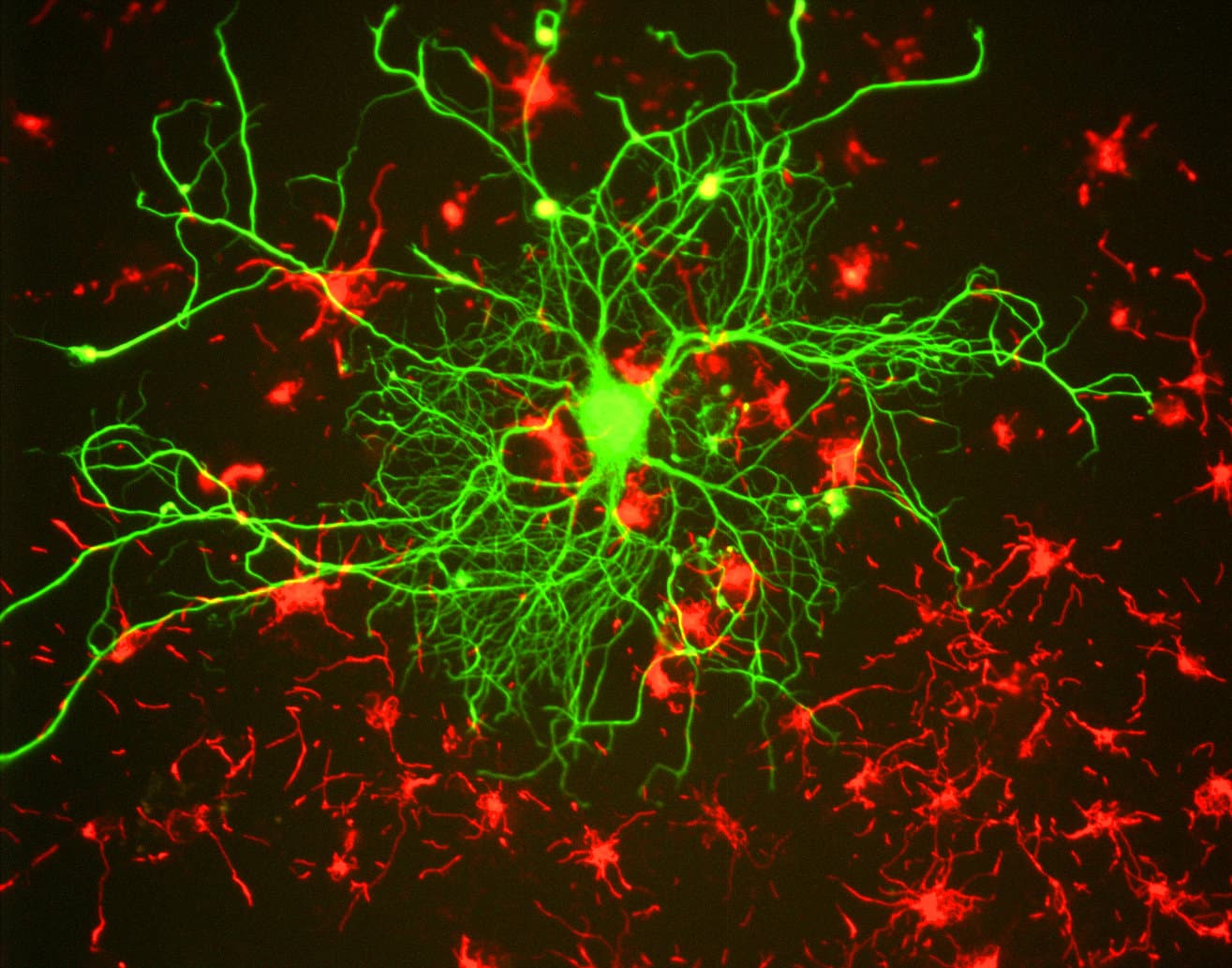
Early studies have explored whether GLP-1 medicines may affect mood, reward, alcohol use, and other psychiatric outcomes. Those lines of research are not interchangeable, and none turns an exploratory signal into a general mental-health treatment.
The distinction matters because people can hear a biological hypothesis as a clinical promise. Much of the available evidence comes from different populations, different outcomes, and studies not designed to answer the same psychiatric question.
The next proof step is targeted randomized research with meaningful mental-health outcomes and longer follow-up. Until then, possible connections between metabolic medicines and mental health remain research questions, not a treatment conclusion.
DisclaimerEducational news and research awareness content. Not medical advice.Read full disclaimer ▾
This page shares third-party news coverage, official research listings, and public clinical updates for educational awareness only. Catalyst does not present this information as medical advice, treatment guidance, or a claim of safety, efficacy, or approval.
Related context
How this story connects across the peptide landscape.
Combining two diabetes drug classes is not automatically a bigger clinical benefit

At the highest dose, retatrutide cut 21% of body weight in people with type 2 diabetes

Tirzepatide kept nearly 99% of prediabetes patients diabetes-free over three years
 Continue reading · Clinical FindingsPeptide News / Clinical FindingsElecoglipron got 89.6% of participants to the standard glucose targetMilenio · Jun 9, 2026 · scroll to read