02 · Clinical Findings
The clinical question after weight loss is what happens next
 1 min read
The first question is not how to ask for a brand name; it is whether a long-term obesity treatment plan makes sense.
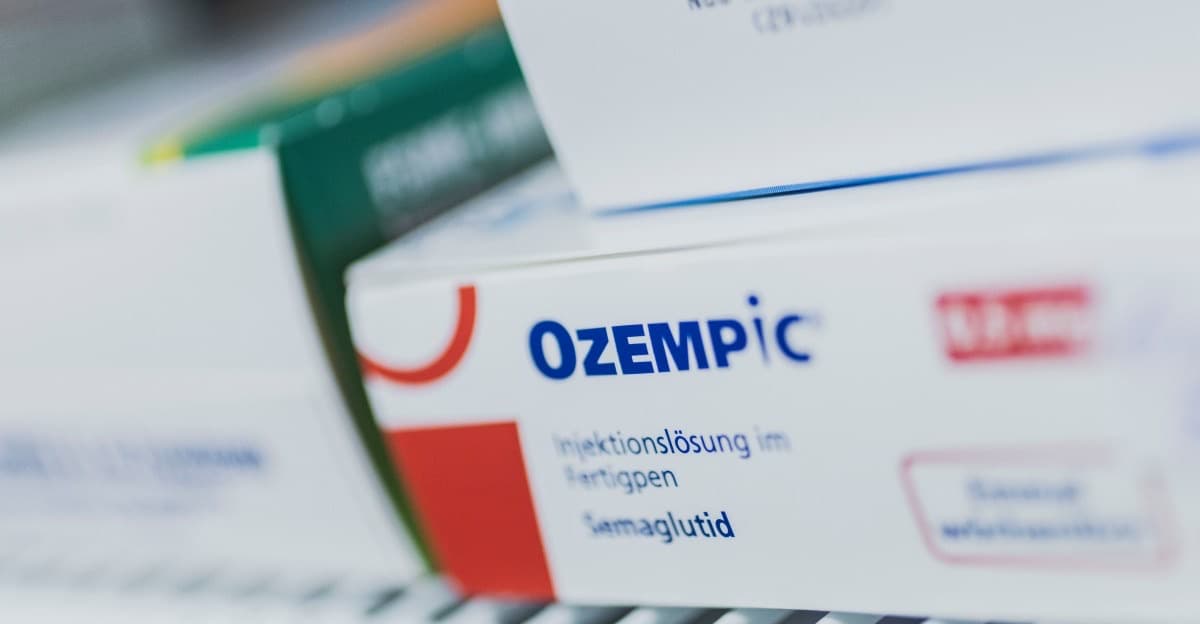
GLP-1 medicines changed obesity care by making substantial weight loss possible for many people in clinical trials. The evidence also raised a second question: whether metabolic improvements persist when treatment no longer continues.
That question matters because obesity is increasingly understood as a chronic biological condition rather than a short-term failure of willpower. It does not mean every person has the same course, or that a trial average can determine a single person’s future.
Longer follow-up is needed to separate durable health outcomes from temporary changes in weight and blood sugar. The essential clinical story is continuing evidence, not a one-size-fits-all promise.
DisclaimerEducational news and research awareness content. Not medical advice.Read full disclaimer ▾
This page shares third-party news coverage, official research listings, and public clinical updates for educational awareness only. Catalyst does not present this information as medical advice, treatment guidance, or a claim of safety, efficacy, or approval.
Related context
How this story connects across the peptide landscape.
Combining two diabetes drug classes is not automatically a bigger clinical benefit

At the highest dose, retatrutide cut 21% of body weight in people with type 2 diabetes

Tirzepatide kept nearly 99% of prediabetes patients diabetes-free over three years
 Continue reading · Clinical FindingsPeptide News / Clinical FindingsTirzepatide cut 15.7% of body weight in the group that usually loses leastMedscape en Español · Jun 26, 2023 · scroll to read