05 · Access & Industry
World Health Organization guidance described GLP-1 therapies as a conditional option for obesity while emphasizing
Even the most optimistic production forecast reaches about 100 million people, under 10 percent of those living with obesity today.

World Health Organization guidance described GLP-1 therapies as a conditional option for obesity while emphasizing that medicine alone cannot meet the scale of need. The policy signal was paired with a supply constraint: even high projections reached only a fraction of people living with obesity worldwide.
The access consequence is institutional. Production capacity, price, and health-system priorities determine who can obtain a medicine long before an individual question of preference can be answered.
This global guidance is not a U.S. coverage rule or personal medical advice. It does not decide local eligibility, affordability, or whether a medicine is appropriate for any reader.
DisclaimerEducational news and research awareness content. Not medical advice.Read full disclaimer ▾
This page shares third-party news coverage, official research listings, and public clinical updates for educational awareness only. Catalyst does not present this information as medical advice, treatment guidance, or a claim of safety, efficacy, or approval.
Related context
How this story connects across the peptide landscape.

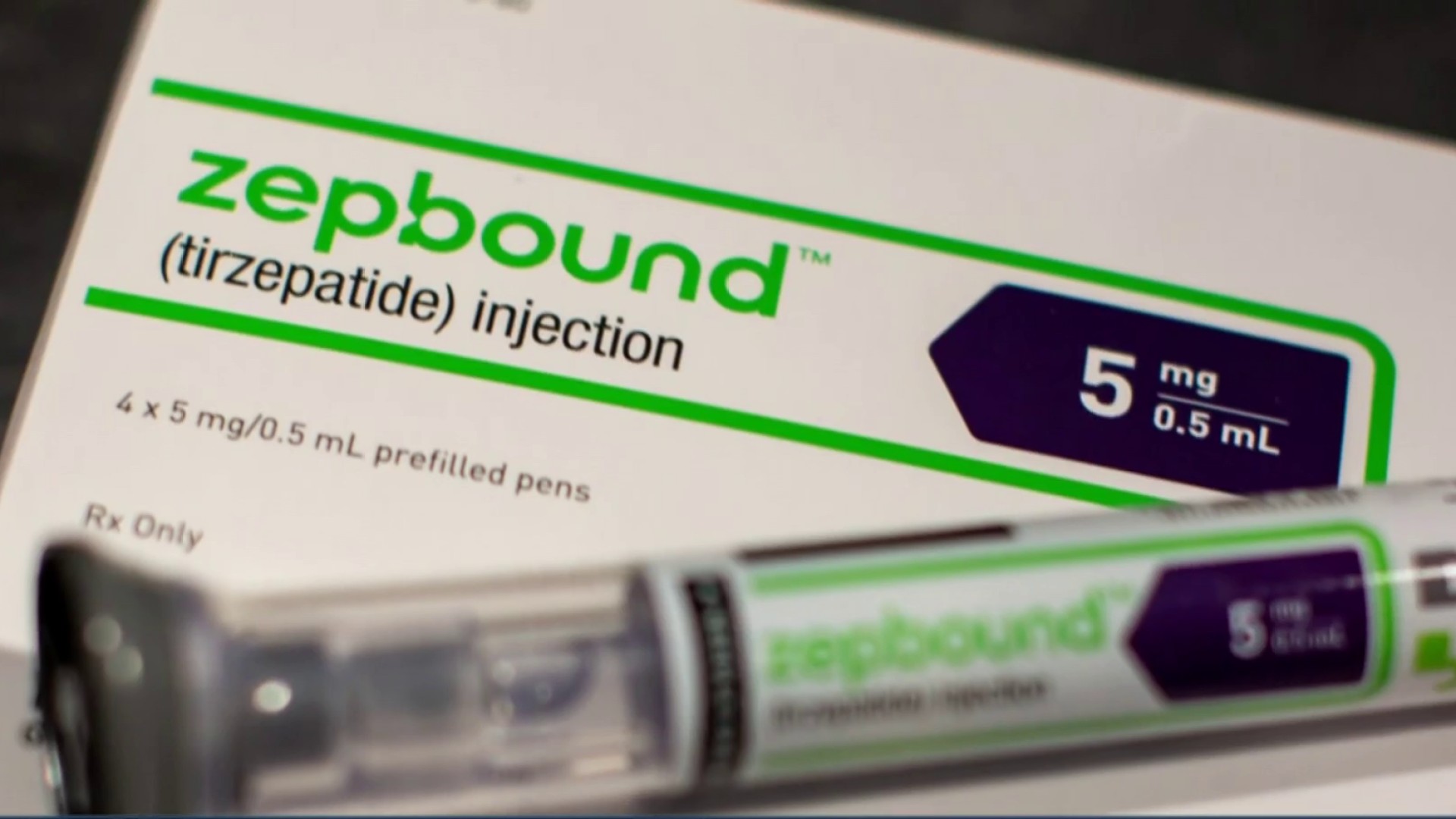
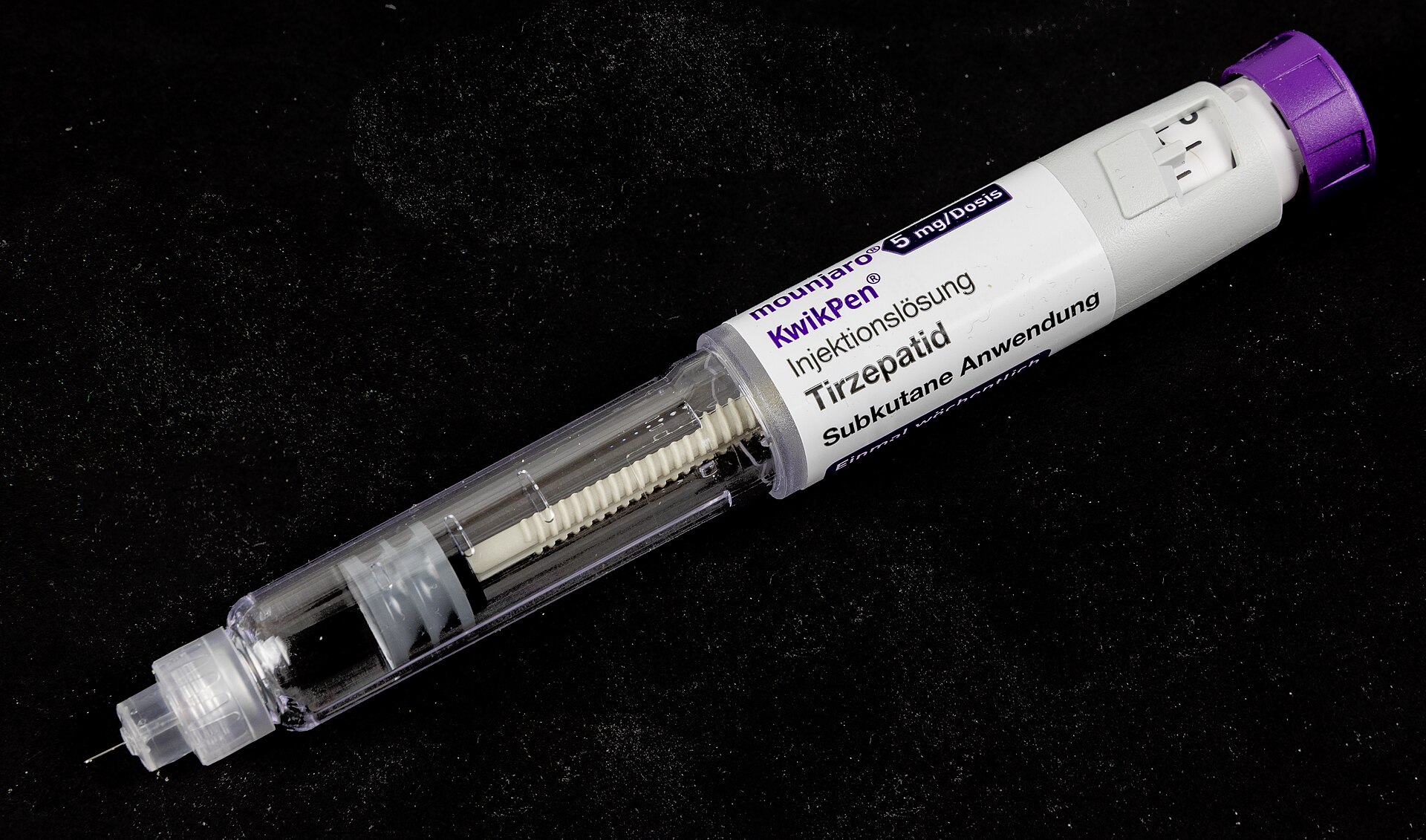


 Continue reading · Access & IndustryPeptide News / Access & IndustryCostco became another cash-price channel for two GLP-1 brandsThe New York Times · Oct 5, 2025 · scroll to read