04 · Policy & Law
Why employer coverage became a fault line for obesity medicines
 1 min read
The decisive question for many people is not whether a medicine exists, but whether their insurer will pay for it.
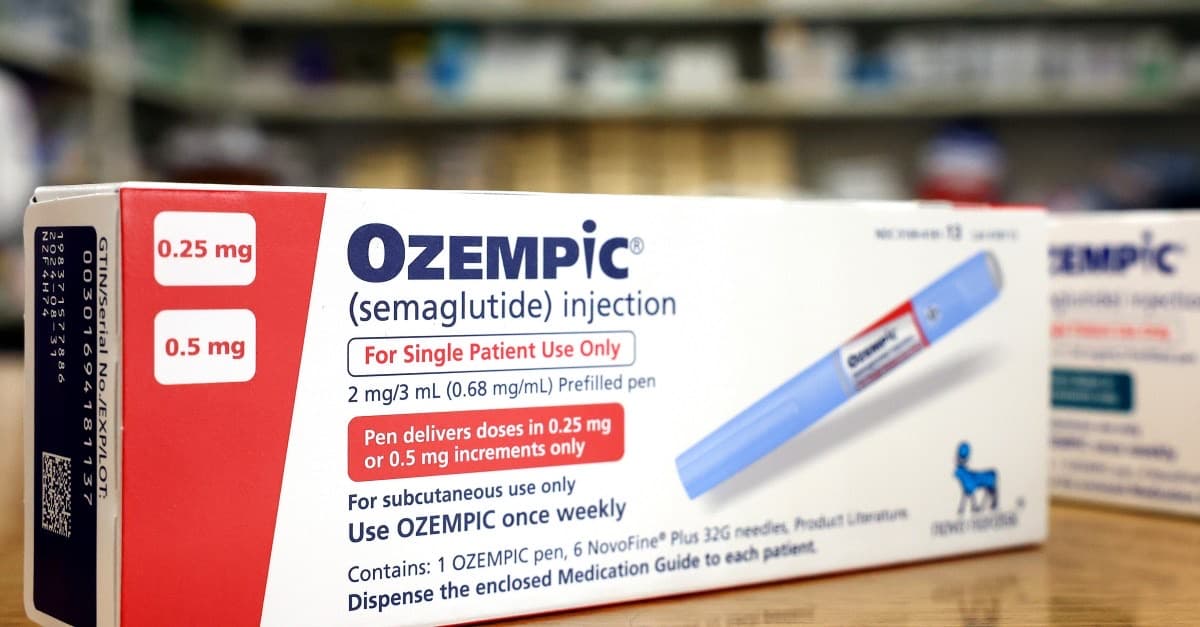
In 2023, many U.S. employer health plans excluded or tightly restricted coverage for obesity medicines. The immediate policy choice was made by plan sponsors and insurers weighing high drug spending against benefits that may take years to appear.
For workers, the consequence was that a prescription could still leave the full cost at home. The gap also reflected a structural problem in employer insurance: people often change jobs before a plan would see any long-term financial return from improved health.
This is a historical account of a coverage debate, not a guide to present eligibility. Plan rules, prices, and the evidence available to decision-makers can change, so no single 2023 policy describes every household now.
DisclaimerEducational news and research awareness content. Not medical advice.Read full disclaimer ▾
This page shares third-party news coverage, official research listings, and public clinical updates for educational awareness only. Catalyst does not present this information as medical advice, treatment guidance, or a claim of safety, efficacy, or approval.
Related context
How this story connects across the peptide landscape.
A U.K. coverage decision showed how eligibility rules can narrow access

A federal advisory committee in 2026 was scheduled to consider whether seven popular peptides could return to a lis
 Jul 8, 2026
A survey shows GLP-1 use moving from a niche treatment into a broader U.S. pattern
 Jul 7, 2026