04 · Policy & Law
A West Virginia coverage pilot exposed the cost of stopping a benefit
 1 min read
West Virginia briefly covered obesity drugs for public employees, then showed what happens when access disappears.
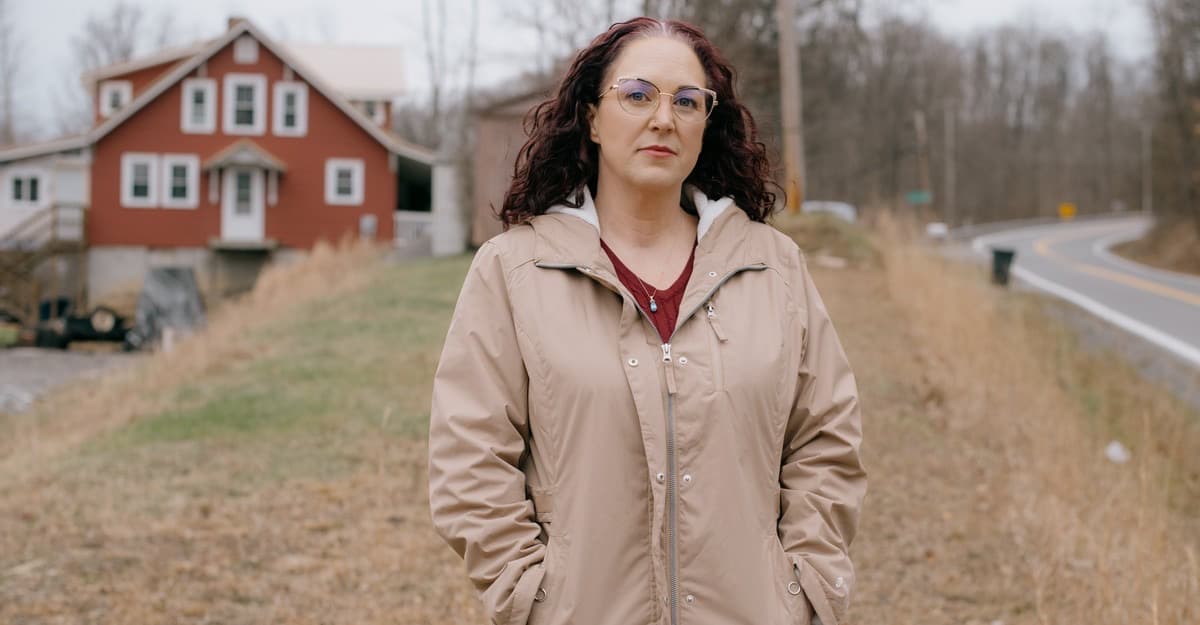
West Virginia's public-employee insurance agency ended a limited pilot that had covered obesity medicines for state workers after citing budget pressure. The program reached about 1,000 people at its peak and showed how a payer decision can change the terms of access for people already enrolled.
The household consequence was not abstract: former participants faced the loss of a covered benefit while the state weighed a roughly $15 million annual pilot cost against a far larger potential expansion. That conflict sits at the center of public coverage design when a recurring medicine serves a large eligible population.
This episode does not settle what any insurer should cover or predict an individual outcome. It shows the difference between a program's institutional budget calculation and the lived disruption that follows when coverage ends.
DisclaimerEducational news and research awareness content. Not medical advice.Read full disclaimer ▾
This page shares third-party news coverage, official research listings, and public clinical updates for educational awareness only. Catalyst does not present this information as medical advice, treatment guidance, or a claim of safety, efficacy, or approval.
Related context
How this story connects across the peptide landscape.
A U.K. coverage decision showed how eligibility rules can narrow access

A federal advisory committee in 2026 was scheduled to consider whether seven popular peptides could return to a lis
 Jul 8, 2026
A survey shows GLP-1 use moving from a niche treatment into a broader U.S. pattern
 Jul 7, 2026
 Continue reading · Policy & LawPeptide News / Policy & LawA 2024 Medicare decision expanded coverage of certain semaglutide medicines for beneficiaries with qualifying cardiVox · Apr 3, 2024 · scroll to read