04 · Policy & Law
The price debate around weight-loss drugs has a policy question behind it
 1 min read
A fair price for GLP-1 medicines depends on more than what a company can charge.
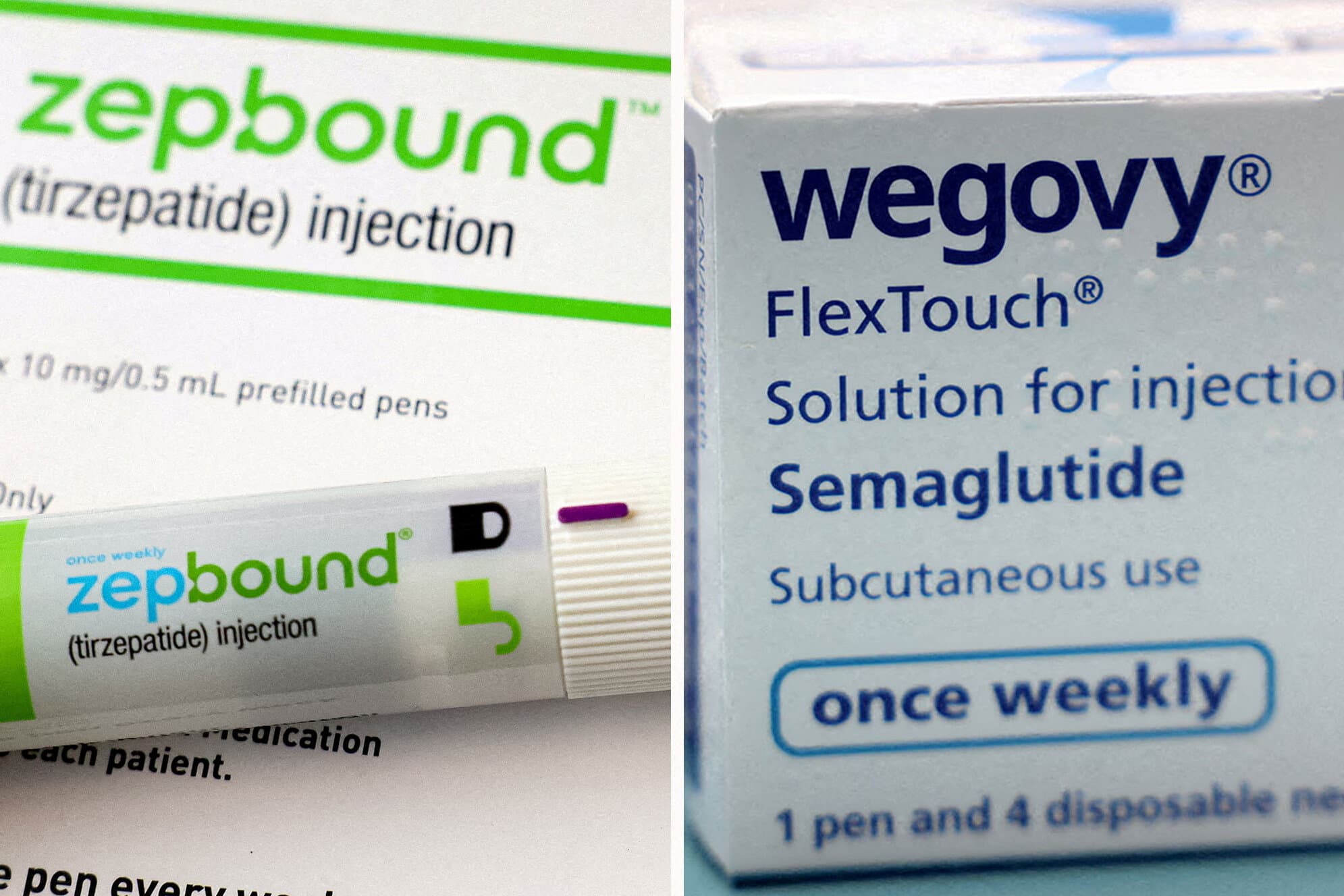
A 2025 health-economics analysis put a number on a growing policy question: how the price of widely used weight-loss medicines compares with the health benefits modeled for them. The analysis examined Wegovy and Zepbound using a common cost-effectiveness measure.
The issue reaches beyond a list price. Employers, insurers and public programs face recurring spending decisions while patients can encounter very different coverage rules and out-of-pocket costs. Those choices help determine whether an approved medicine is financially reachable, not whether it is right for any one person.
The analysis was a model, not a coverage order or clinical recommendation. Its conclusions depend on assumptions about price and long-term outcomes, and it cannot settle whether future savings will offset current spending.
DisclaimerEducational news and research awareness content. Not medical advice.Read full disclaimer ▾
This page shares third-party news coverage, official research listings, and public clinical updates for educational awareness only. Catalyst does not present this information as medical advice, treatment guidance, or a claim of safety, efficacy, or approval.
Related context
How this story connects across the peptide landscape.
A U.K. coverage decision showed how eligibility rules can narrow access

A federal advisory committee in 2026 was scheduled to consider whether seven popular peptides could return to a lis
 Jul 8, 2026
A survey shows GLP-1 use moving from a niche treatment into a broader U.S. pattern
 Jul 7, 2026
 Continue reading · Policy & LawPeptide News / Policy & LawA West Virginia coverage pilot exposed the cost of stopping a benefitThe Atlantic · Dec 2024 · scroll to read