04 · Policy & Law
A 2025 argument about Medicaid coverage put GLP-1 medicines at the center of a state-budget question: whether to ab
 1 min read
The case for broader Medicaid coverage is a policy argument about price, access, and what public programs owe people.

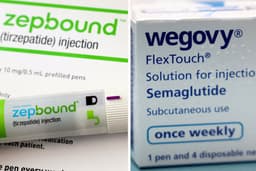
A 2025 argument about Medicaid coverage put GLP-1 medicines at the center of a state-budget question: whether to absorb high near-term drug costs in pursuit of possible longer-term health gains. The relevant public action would be made state by state, not by a single national rule.
For people enrolled in Medicaid, the consequence is that access can depend on a state benefit design rather than on the existence of a prescription. States face the same basic tension between immediate spending, uncertain savings, and a large potentially eligible population.
This was a policy argument, not a final expansion or a universal budget result. State rules, prices, and evidence assessments vary, so the record does not establish coverage for any individual.
DisclaimerEducational news and research awareness content. Not medical advice.Read full disclaimer ▾
This page shares third-party news coverage, official research listings, and public clinical updates for educational awareness only. Catalyst does not present this information as medical advice, treatment guidance, or a claim of safety, efficacy, or approval.
Related context
How this story connects across the peptide landscape.
A U.K. coverage decision showed how eligibility rules can narrow access

A federal advisory committee in 2026 was scheduled to consider whether seven popular peptides could return to a lis
 Jul 8, 2026
A survey shows GLP-1 use moving from a niche treatment into a broader U.S. pattern
 Jul 7, 2026
 Continue reading · Policy & LawPeptide News / Policy & LawThe price debate around weight-loss drugs has a policy question behind itThe New York Times · Mar 14, 2025 · scroll to read